
Snoring & Sleep Apnea Guides
Clear, medically reviewed guides to understand snoring and obstructive sleep apnea, from causes and symptoms to treatments.
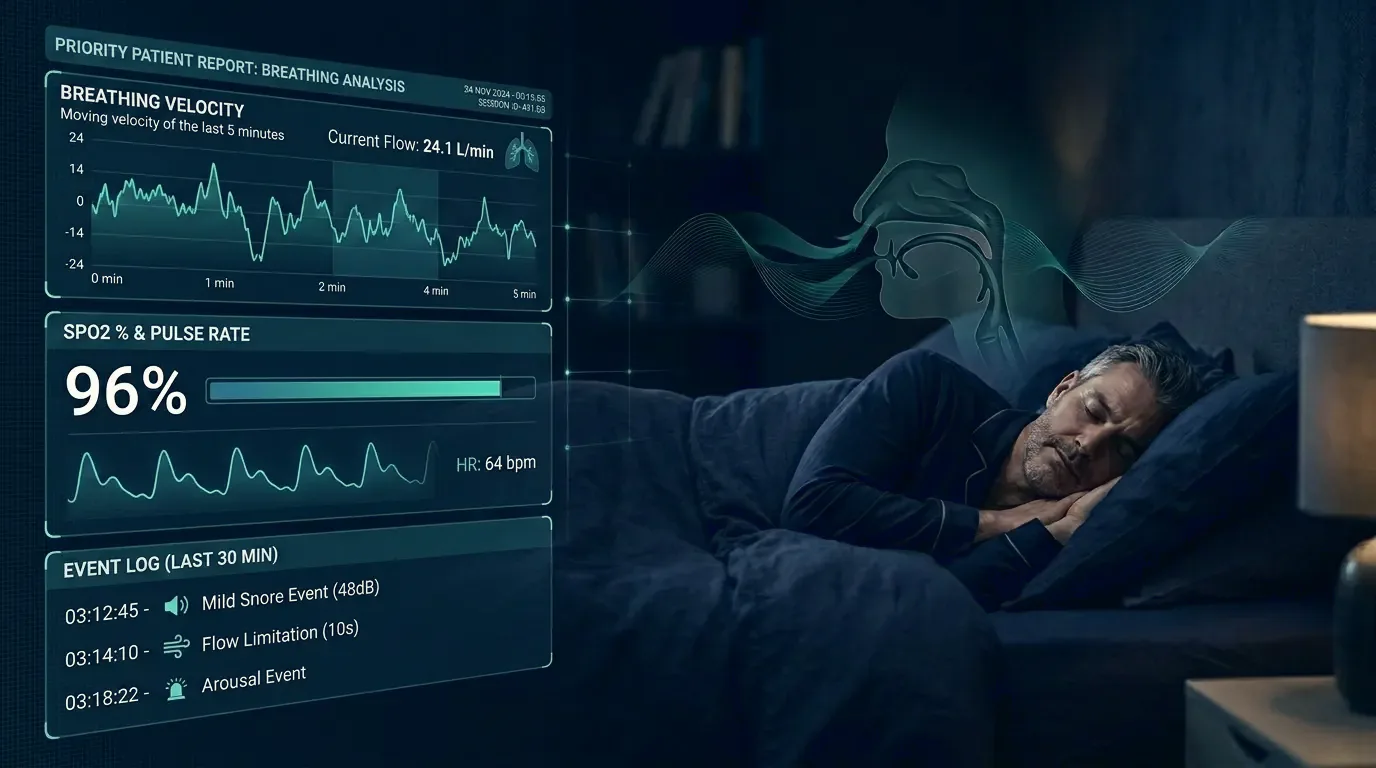

Orientation Guide: Ask Your Questions
Type your symptoms, questions or situation to quickly find explanatory articles, informative guides, and procedures detailed on our website.
By pressing “Search” you agree that an AI analyses your text to guide you. Data controller: Dr. Méndez-Benegassi ·
Data controller: Dr. Iván Méndez-Benegassi Silva, ENT physician.
What is sent: While you type, the search runs on your device and nothing is sent. When you press the button, your text goes to our server, which removes the email, phone number, ID number and names it detects, and from there to the AI service that classifies it. There is no need to write your name.
Where: That service operates outside the European Union, with the safeguards the GDPR requires (the European Commission’s standard contractual clauses).
Legal basis: Your explicit consent (Art. 9.2.a GDPR), because what you write may be health data. You can withdraw it at any time by not pressing the button again; withdrawing it does not affect what was already done.
Recipients: Your data is not shared with third parties; only the technical providers needed are involved, as data processors.
Your rights: Access, rectify or erase your data, object, restrict its processing and request its portability by writing to contacto@ronquidoyapneas.com. You may also lodge a complaint with the Spanish Data Protection Agency.
Full details in the Privacy policy.
* This orientation guide is strictly for informative and educational purposes and does not constitute a medical diagnosis or clinical prescription. For personalized medical attention, consult a specialist.
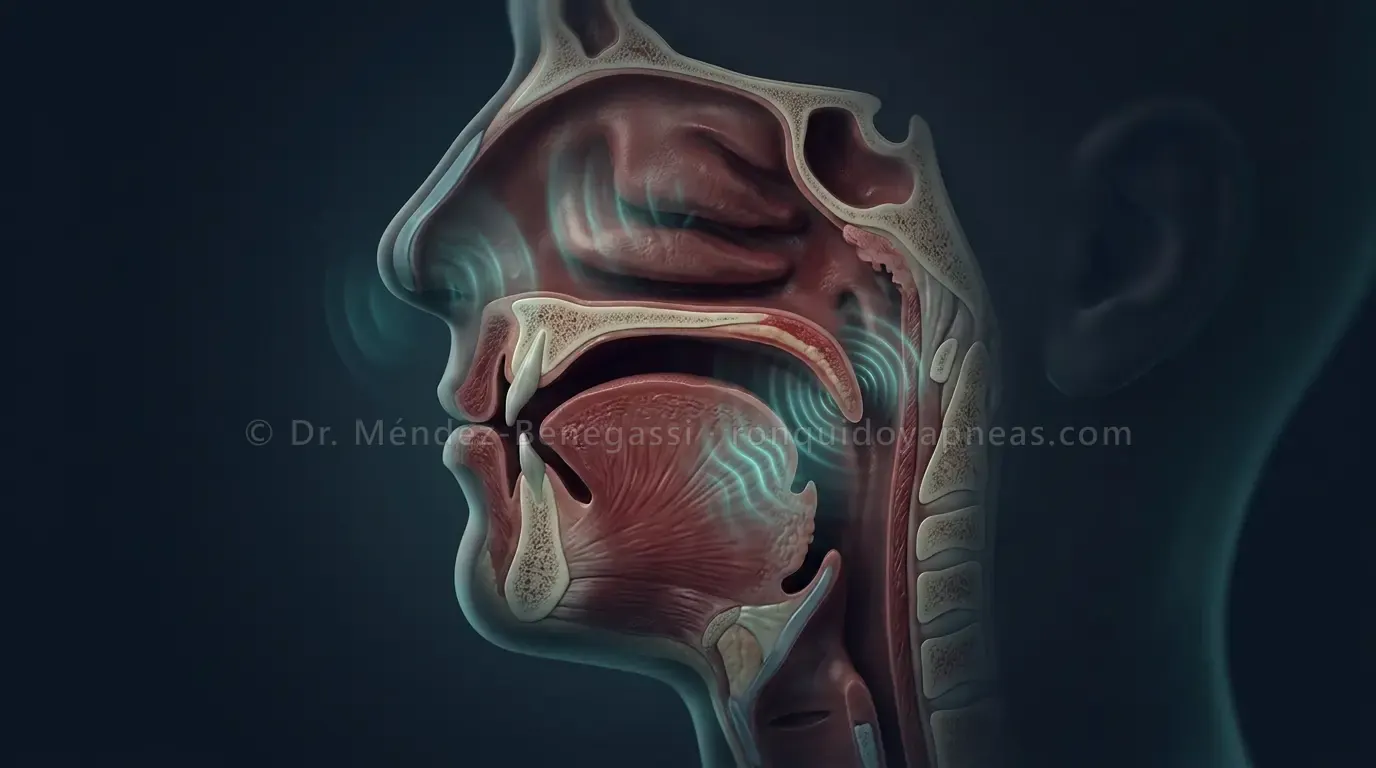



Latest guides
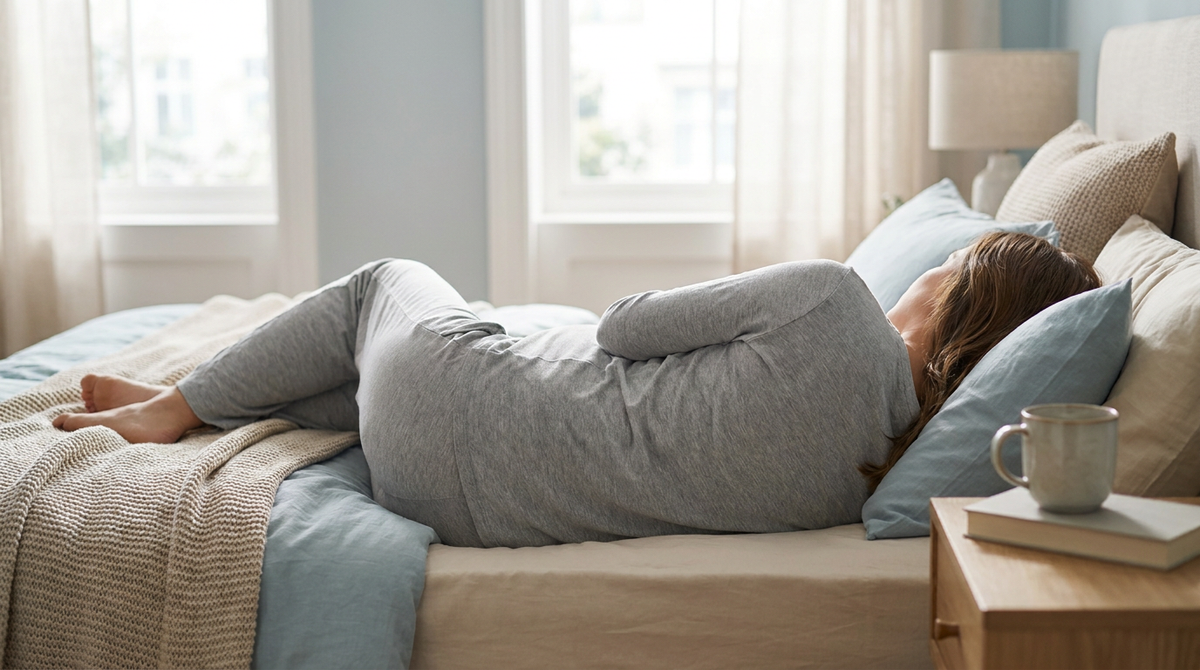
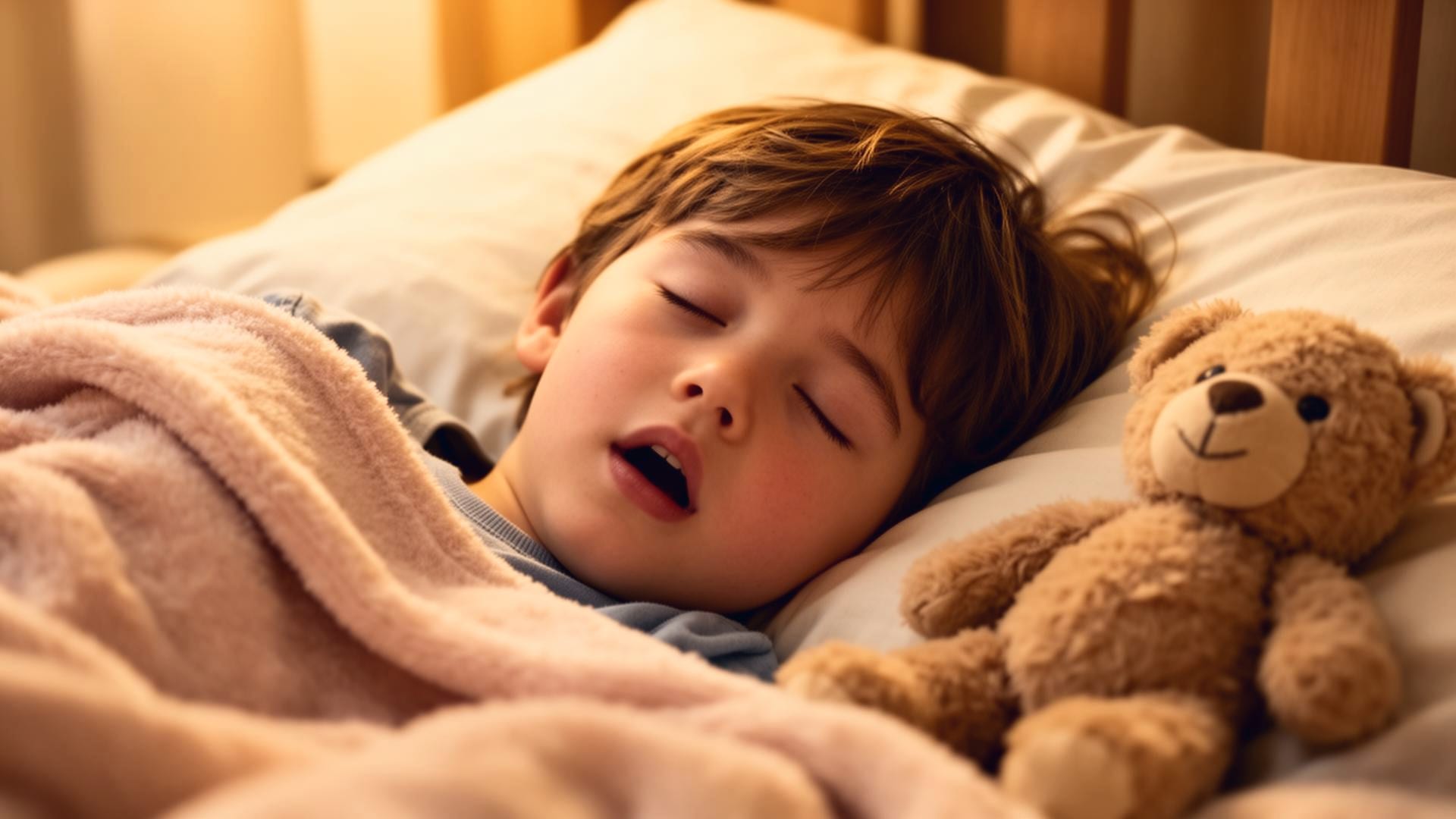
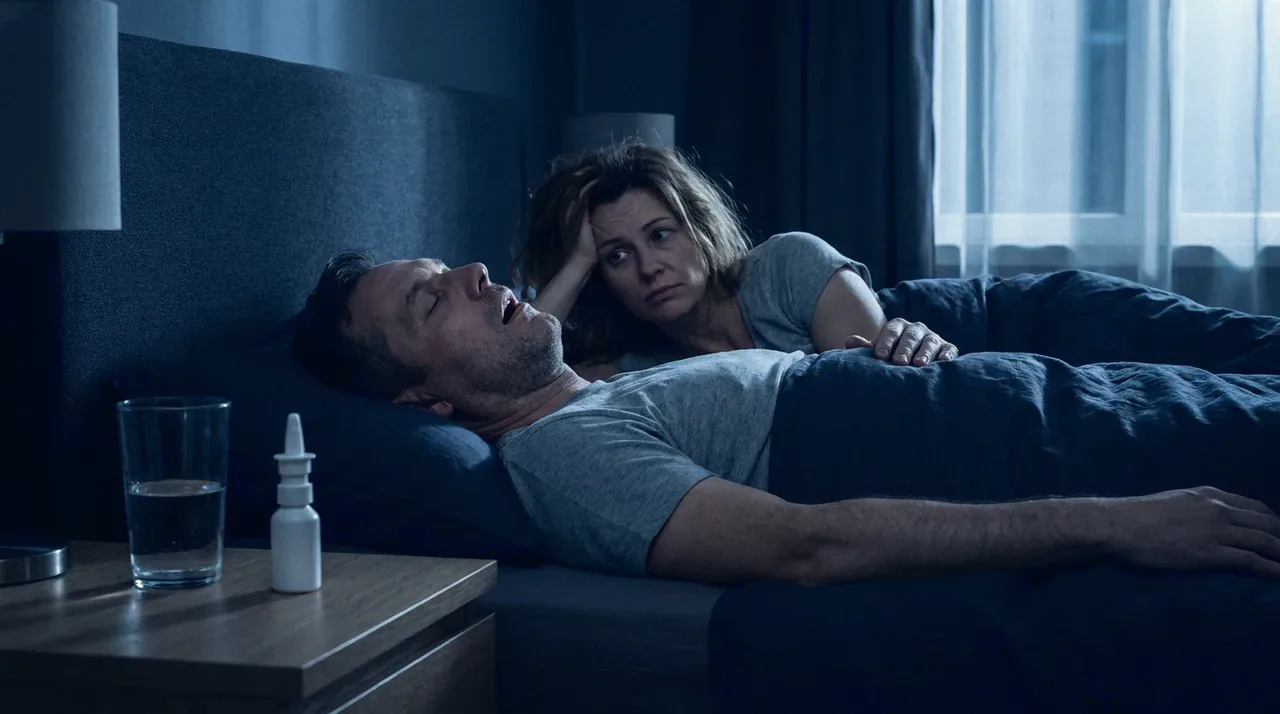
Snoring during pregnancy: risks and what to do
Snoring during pregnancy can be a sign of sleep apnea, increasing the risk of complications like preeclampsia, gestational diabetes, and preterm birth.
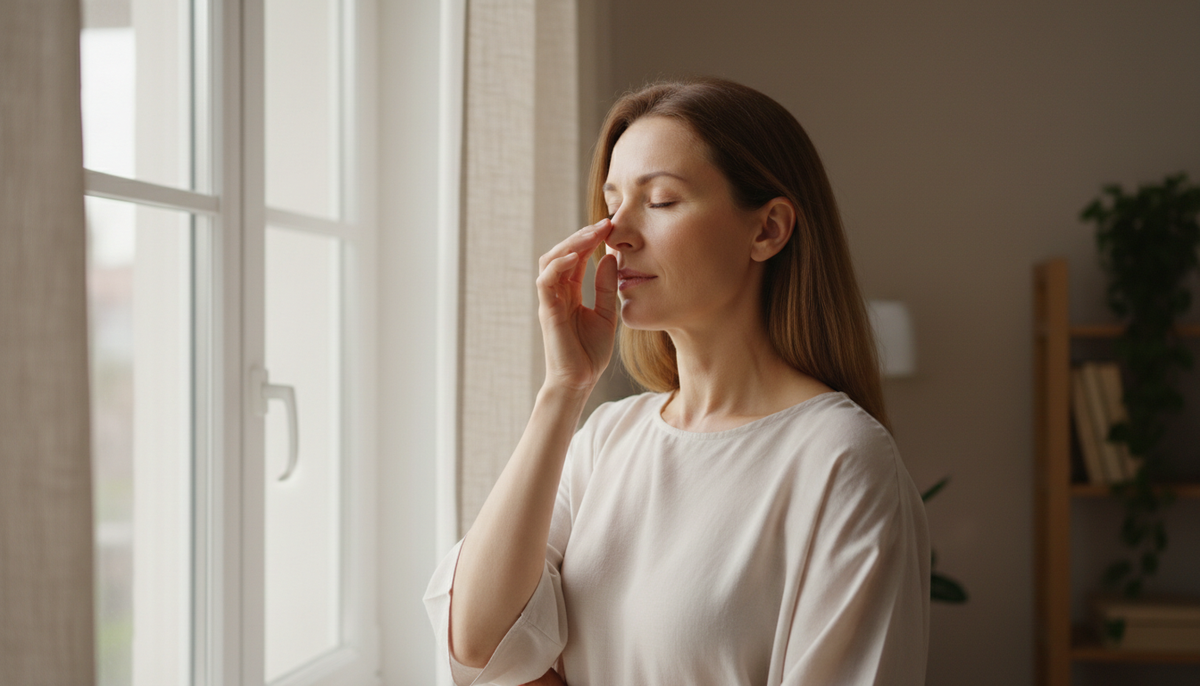
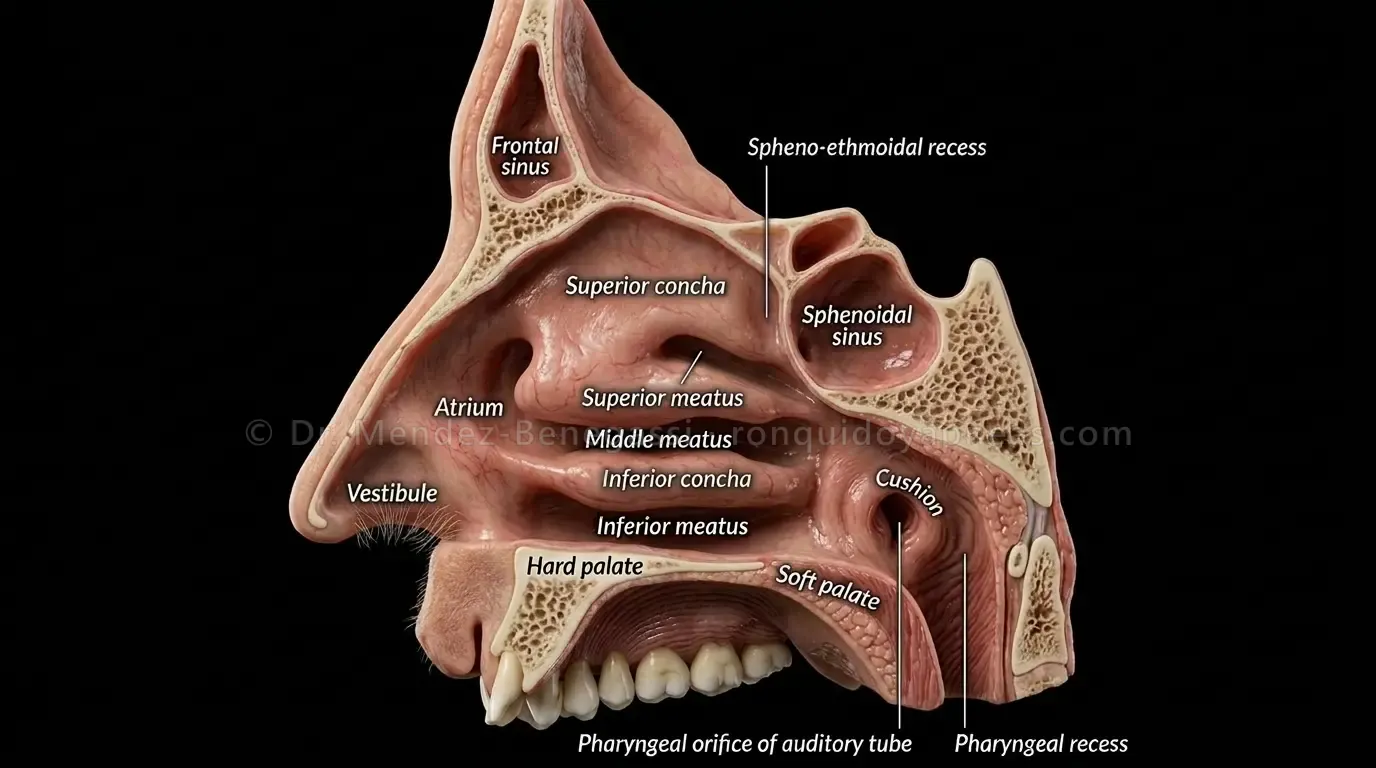
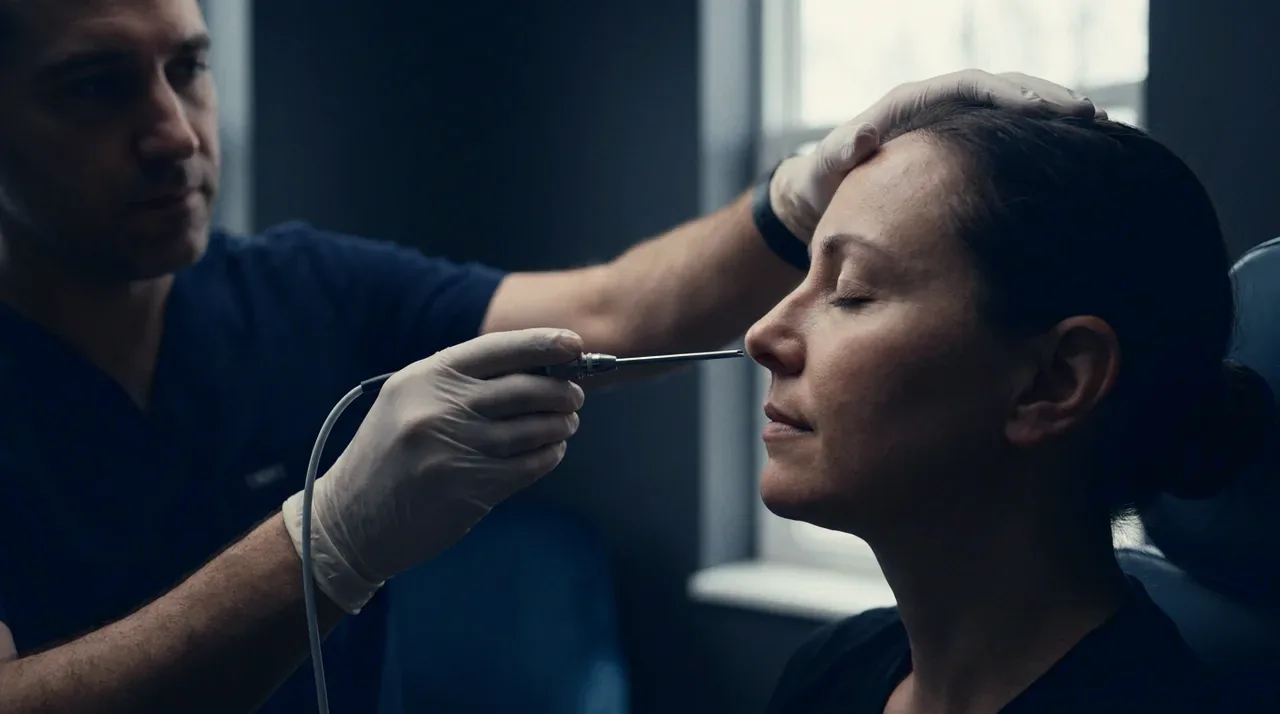
I had nose surgery and still can't breathe well: what to do
A blocked nose after septoplasty or rhinoplasty does not mean it was done badly. An endoscopic exam finds the cause and guides the treatment.
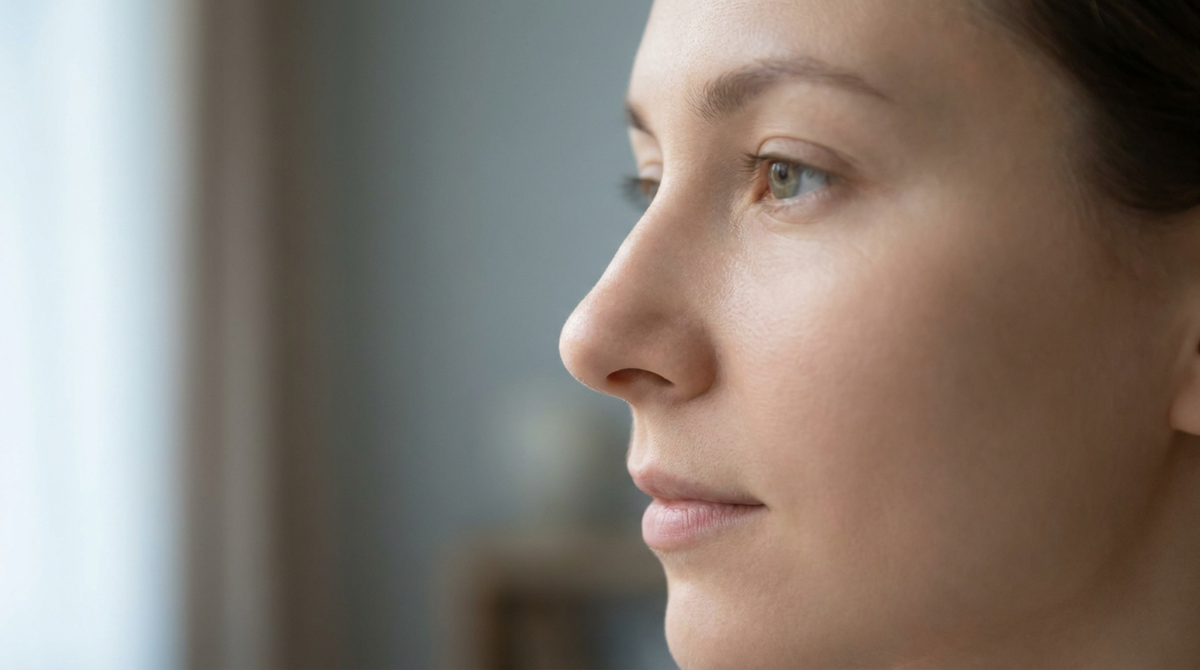
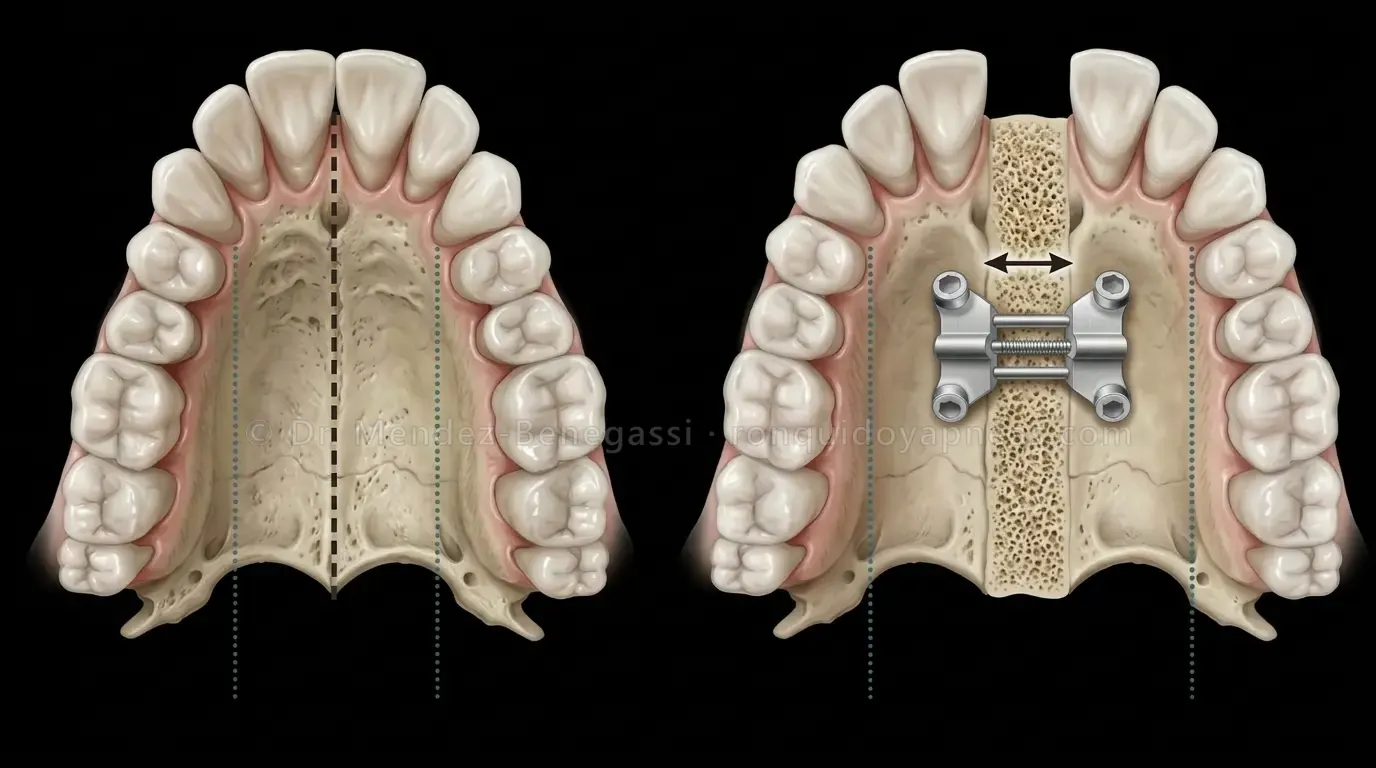
Septoplasty, septorhinoplasty or rhinoplasty: which one?
Septoplasty straightens the septum without changing the shape; rhinoplasty changes the shape; septorhinoplasty does both. How the choice is made.
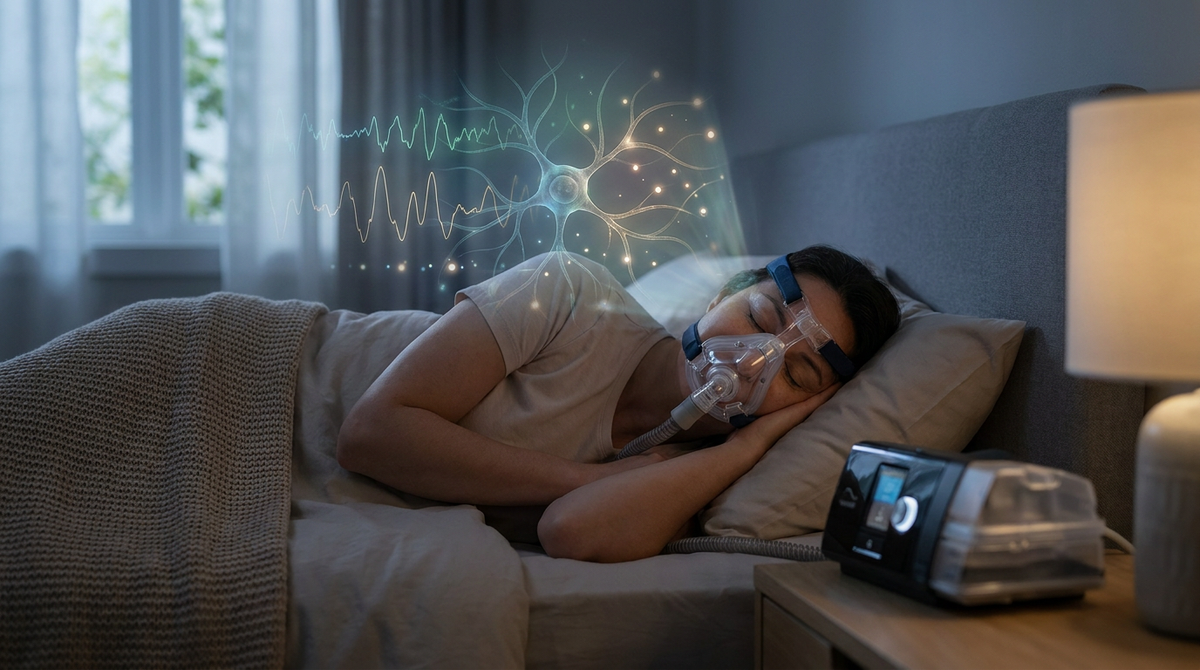
Insomnia and sleep apnea together: what is COMISA?
COMISA means having insomnia and sleep apnea at the same time. It is common, each makes the other worse, and both are treated together, step by step.
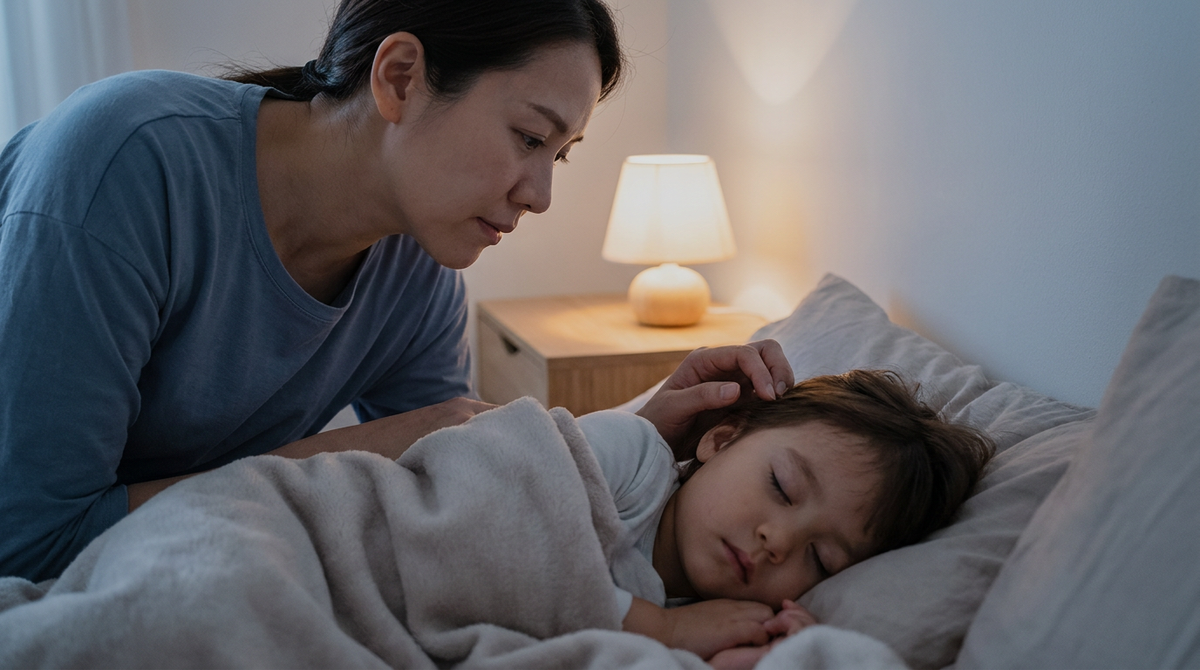
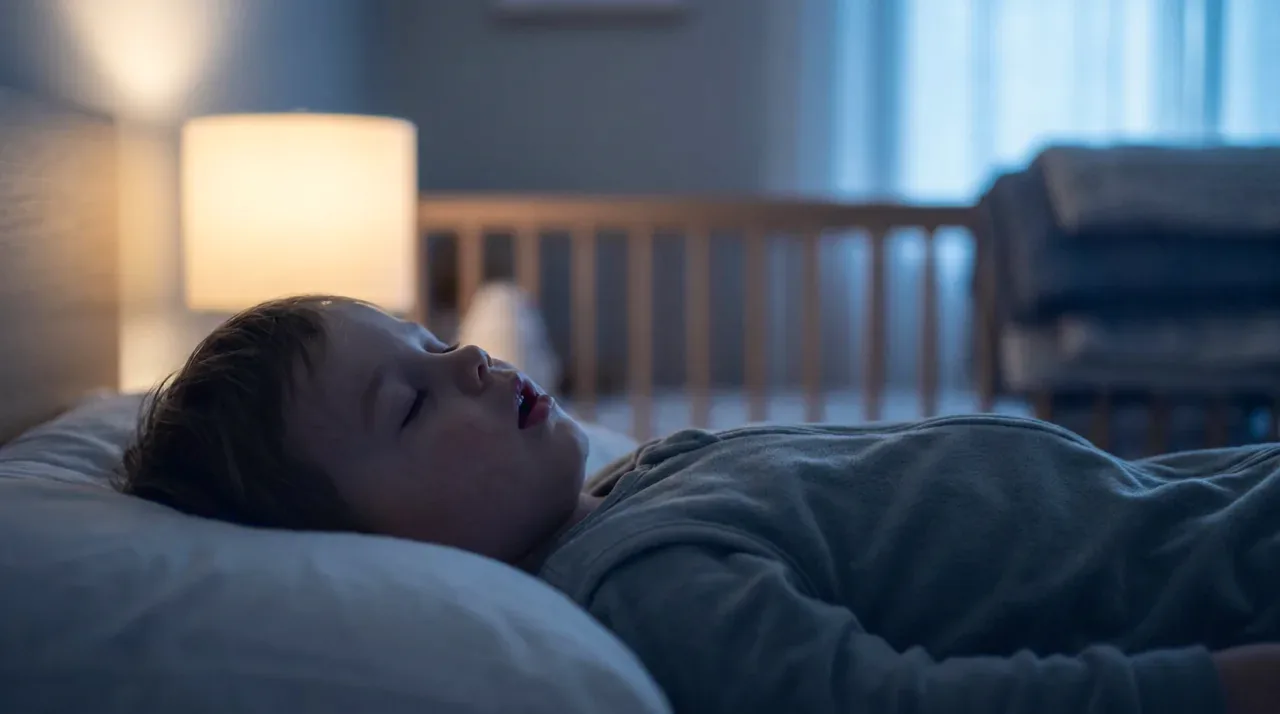
Snoring and sleep apnea in children: tonsils and adenoids
A child who snores often may have sleep apnea from large tonsils and adenoids. It affects behavior and learning, and surgery is the usual treatment.
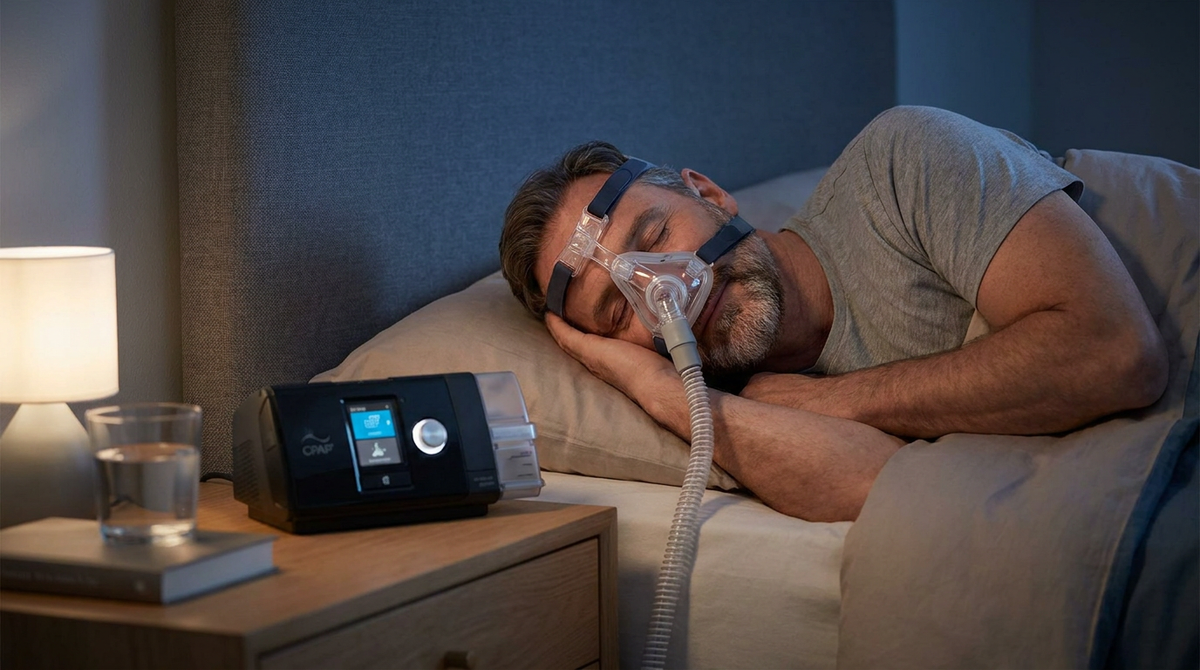
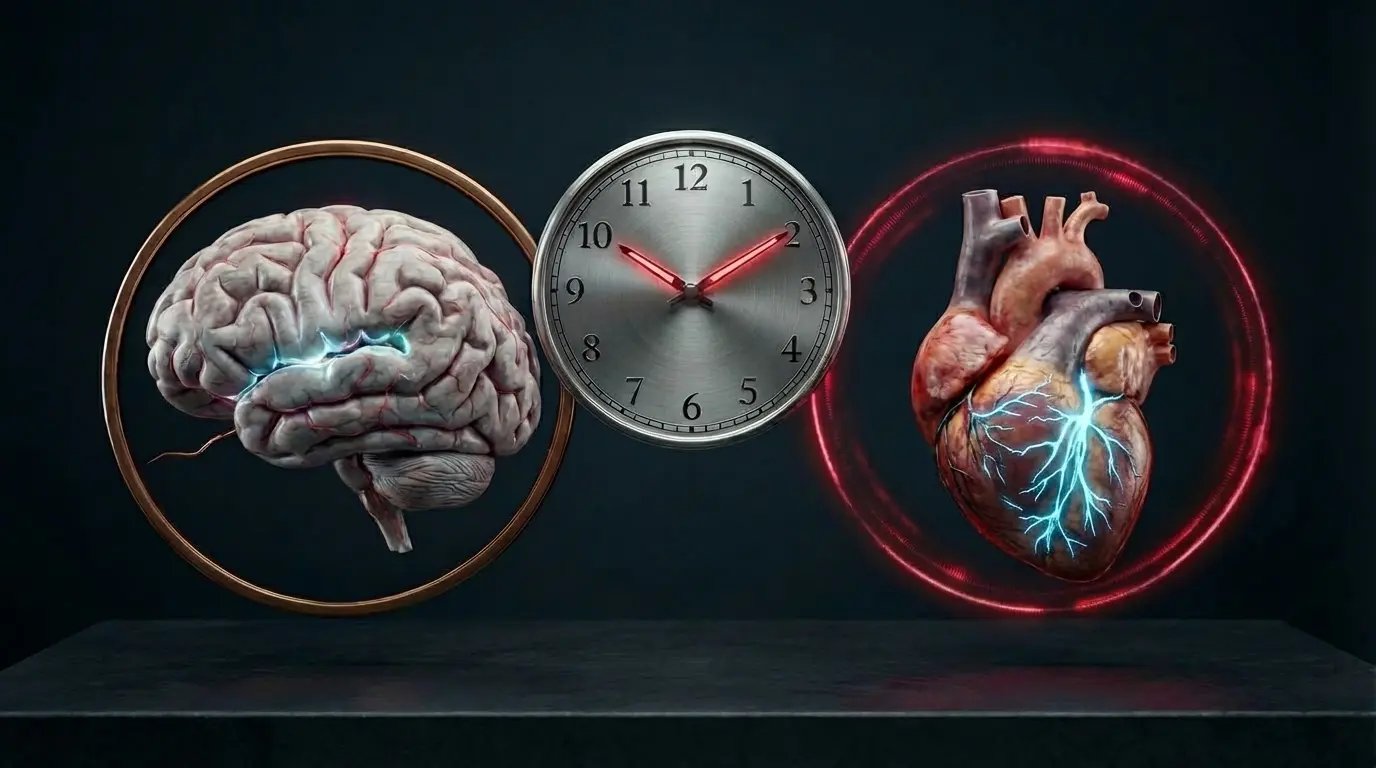
Resistant hypertension and sleep apnea: how they are linked
Sleep apnea is the most common treatable cause of high blood pressure resisting three or more drugs. Treating it makes medication work better.
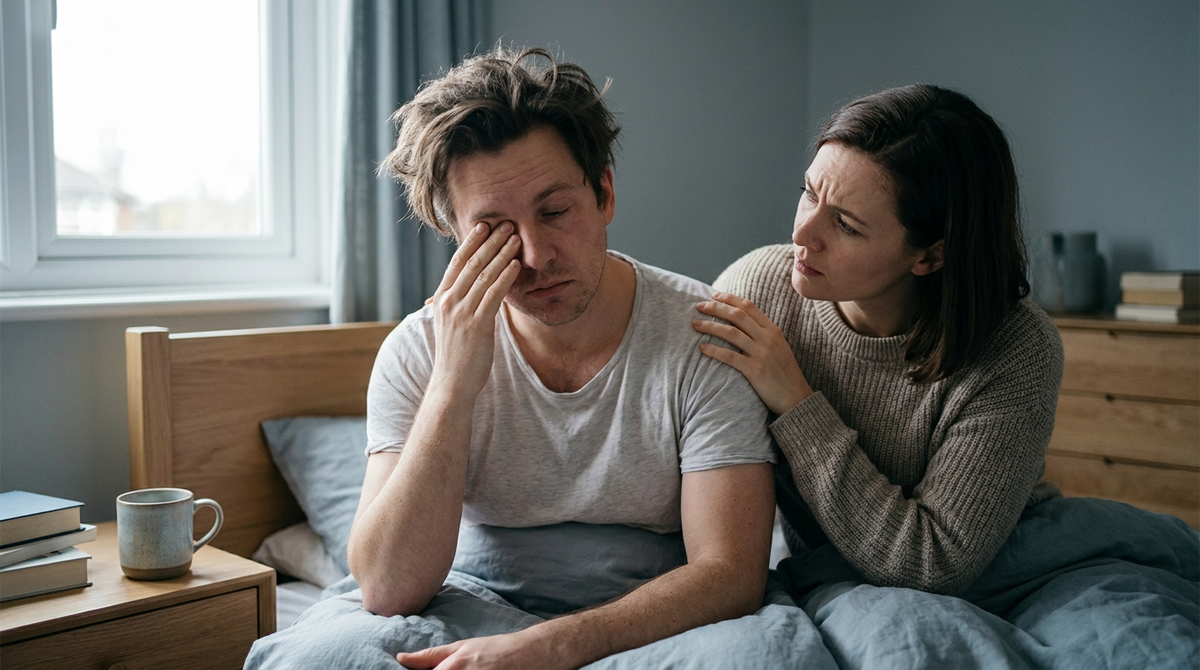
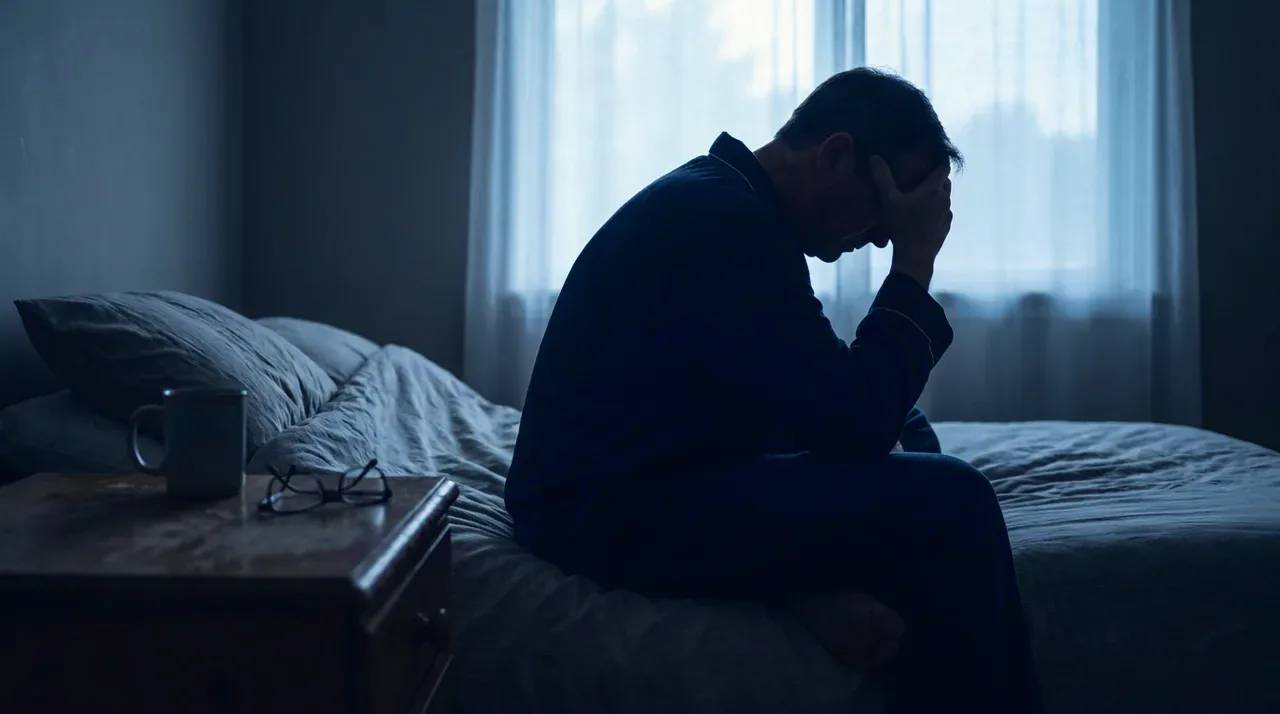
Sleep apnea, depression and mental health: how they connect
Sleep apnea almost doubles the risk of depression and affects memory and concentration. Treating it can improve mood and mental clarity.
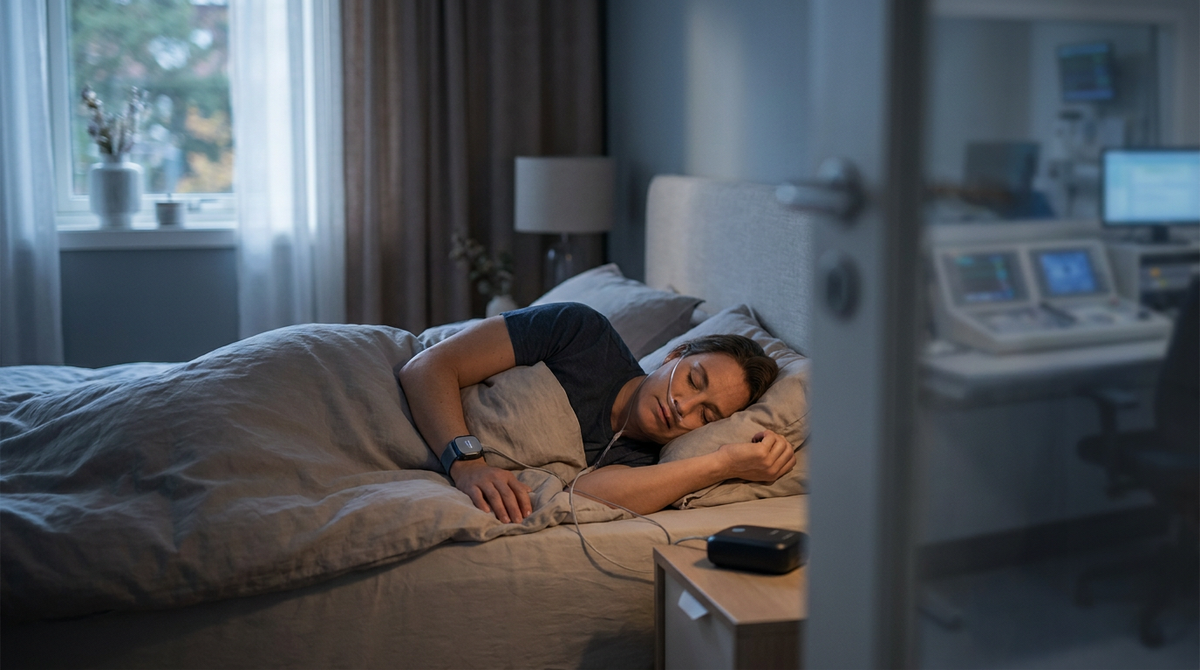
Home sleep test or in-lab polysomnography: which to choose
A home test suits many adults with a clear suspicion of sleep apnea; in-lab polysomnography suits children, complex cases or unclear results.
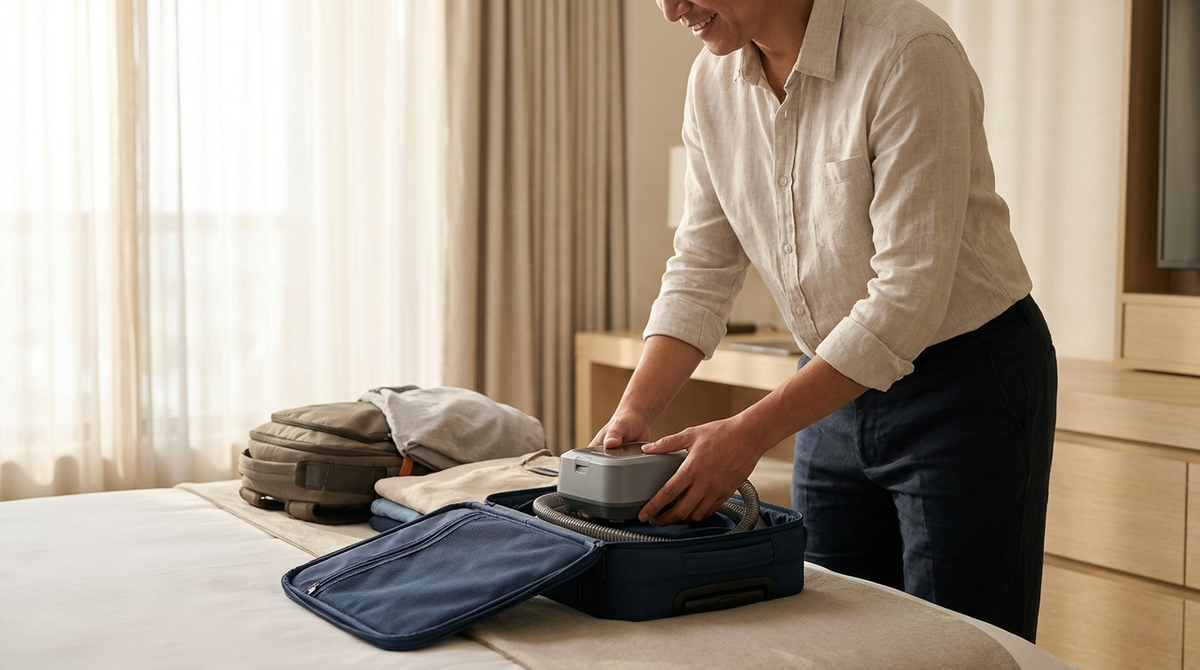
Traveling with CPAP: flights, batteries and summer tips
You can travel with your CPAP: it usually goes in the cabin as carry-on. Pack a plug adapter, a battery and distilled water, and keep using it.

Sleep apnea and workplace accidents: a treatable risk
Untreated sleep apnea nearly doubles the risk of work accidents due to daytime sleepiness. Treatment lowers it and, once controlled, allows driving.

Sleep apnea and menopause: symptoms and when to suspect it
In menopause, sleep apnea often goes unnoticed: tiredness, insomnia or morning headaches are put down to stress, low mood or age.

Excessive daytime sleepiness: sleep apnea or another cause?
Daytime sleepiness that does not improve with sleep can be due to sleep apnea, but also to narcolepsy, insomnia, medication or other conditions.
Take the next step in your evaluation
Dr. Méndez-Benegassi uses your data to answer your message. Email is not end-to-end encrypted: it can be read on the servers it passes through. Do not send medical reports or health data that way.
Data controller: Dr. Iván Méndez-Benegassi Silva, ENT physician.
Purpose: To read and answer your message. Tell us only what is essential; the rest is covered in the consultation.
Legal basis: The healthcare you are requesting (Art. 9.2.h GDPR).
Recipients: Your data is not shared with third parties; only the technical providers needed are involved, as data processors.
Your rights: Access, rectify or erase your data, object, restrict its processing and request its portability by writing to contacto@ronquidoyapneas.com. You may also lodge a complaint with the Spanish Data Protection Agency.
Full details in the Privacy policy.