
Sleep Apnea and Resistant Hypertension: A Patient Guide
Reviewed by Dr. Iván Méndez-Benegassi Silva
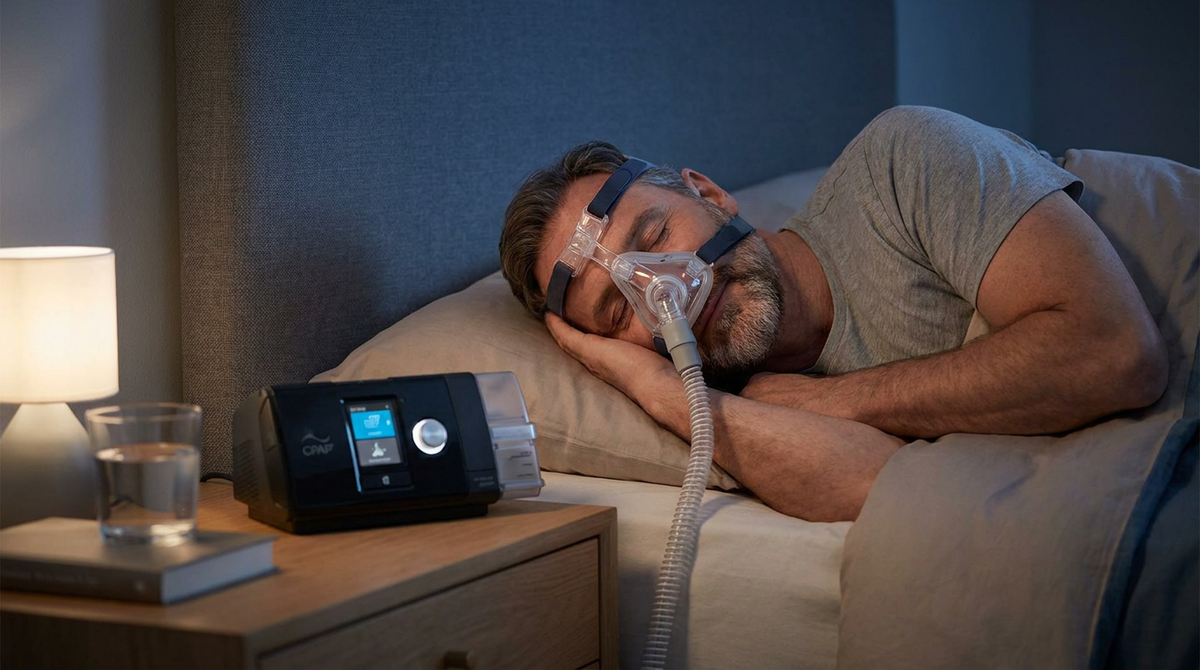
Untreated sleep apnea is a common cause of resistant hypertension, where blood pressure remains high despite multiple medications. Understanding this connection is key to effective blood pressure management and cardiovascular health.
High blood pressure is a common condition, but when blood pressure remains elevated despite taking three or more antihypertensive medications, it is called resistant hypertension. In these cases, it is essential to look for underlying causes, and obstructive sleep apnea (OSA) is one of the most important and treatable ones.
What is Obstructive Sleep Apnea (OSA)?
OSA is a sleep disorder where the upper airway repeatedly collapses during sleep, interrupting breathing. This leads to episodes of oxygen deprivation and brief awakenings, often without the person being aware of them. Common symptoms include loud snoring, observed breathing pauses, excessive daytime sleepiness, fatigue, and morning headaches [1].
The prevalence of OSA is significant, affecting approximately 17% of women and 34% of men in the US, with similar figures in other countries [1]. Obesity is a major risk factor, and the prevalence of OSA is increasing in parallel with that of obesity [1].
The Connection Between OSA and Resistant Hypertension
The relationship between sleep apnea and hypertension is well-known. OSA can not only cause hypertension, but it is the most common treatable cause behind resistant hypertension [2]. People with obstructive sleep apnea are approximately three times more likely to develop resistant hypertension [3].
Why Does OSA Raise Blood Pressure?
During apnea episodes, the body experiences a series of physiological changes that contribute to increased blood pressure:
- Intermittent hypoxia: Repeated drops in blood oxygen levels activate the sympathetic nervous system, which is responsible for the "fight or flight" response. This constant activation raises blood pressure and heart rate.
- Sleep fragmentation: Frequent awakenings, even brief ones, prevent restorative sleep. Lack of quality sleep also contributes to blood pressure dysregulation.
- Vascular remodeling: OSA can lead to changes in the structure of blood vessels, making them stiffer and contributing to hypertension [2].
These mechanisms act together, leading to a chronic elevation of blood pressure, especially at night, and making it difficult to control with medication [2].
Cardiovascular Impact of Untreated OSA
Hypertension is just one of the cardiovascular consequences of OSA. If left untreated, sleep apnea is associated with an increased risk of other serious conditions:
- Cardiovascular and metabolic disease: OSA is associated with a 2- to 3-fold increased risk of cardiovascular and metabolic disease [1].
- Atrial fibrillation: A type of heart arrhythmia.
- Myocardial infarction and stroke: Serious cardiovascular events.
- Type 2 diabetes: A metabolic disorder.
A 2025 meta-analysis including over 25,000 people found that obstructive sleep apnea was associated with approximately double the long-term cardiovascular risk.
Treating sleep apnea is an essential measure to protect cardiovascular health and improve blood pressure control.
Diagnosing Sleep Apnea
If you have resistant hypertension or suspect sleep apnea, it is important to seek a medical evaluation. OSA is usually diagnosed through a sleep study, which can be a polysomnography (performed in a sleep clinic) or a home sleep apnea test [1]. Home tests have a sensitivity of approximately 80% for diagnosing OSA [1].
Treatment Options for OSA
Sleep apnea treatment aims to keep the airway open during sleep. Options include:
- Lifestyle changes: Weight loss and exercise are fundamental measures that can significantly improve OSA, especially in overweight or obese patients [1].
- Continuous positive airway pressure (CPAP): This is the most common and effective treatment. A CPAP device delivers pressurized air through a mask to keep the airway open [1]. CPAP therapy can lower blood pressure, especially in patients with resistant hypertension [1].
- Mandibular advancement devices (MADs): These are oral appliances worn during sleep to advance the jaw and tongue, opening the airway [1].
- Surgery: In some cases, surgical procedures can be performed to modify the soft tissues of the pharynx or facial bone structure to widen the airway [1].
- Hypoglossal nerve stimulation: An option for selected patients, involving an implantable device that stimulates the nerve controlling tongue muscles to keep the airway open [1].
It is important to note that although OSA treatment with CPAP can lower blood pressure, the magnitude of this reduction may be modest, and many patients will still require antihypertensive medication to achieve optimal control [2]. However, OSA treatment improves the effectiveness of medications and reduces overall cardiovascular risk.
Comprehensive Management
If you suffer from resistant hypertension, it is crucial that your doctor evaluates the possible presence of sleep apnea. Managing both conditions together is the most effective strategy to protect your long-term health. This guide is for informational purposes and does not replace personalized medical evaluation and advice.
Frequently asked questions
What does it mean to have resistant hypertension?
Resistant hypertension is defined as blood pressure that remains high despite taking three or more medications to control it, one of which is usually a diuretic. This indicates that there may be an underlying cause making it difficult to control.
How is sleep apnea related to resistant hypertension?
Obstructive sleep apnea is one of the most common treatable causes of resistant hypertension. Repeated breathing interruptions during sleep lead to oxygen drops and overactivation of the nervous system, which chronically raises blood pressure.
Does treating sleep apnea cure resistant hypertension?
Treating sleep apnea, for example with CPAP, can lower blood pressure and improve the control of resistant hypertension, but it does not always cure it completely. Often, patients will still require antihypertensive medication, although apnea treatment can make it more effective.
References
Informational content reviewed by Dr. Méndez-Benegassi. It does not replace a medical consultation.