
COMISA: When Insomnia and Sleep Apnea Go Hand in Hand
Reviewed by Dr. Iván Méndez-Benegassi Silva
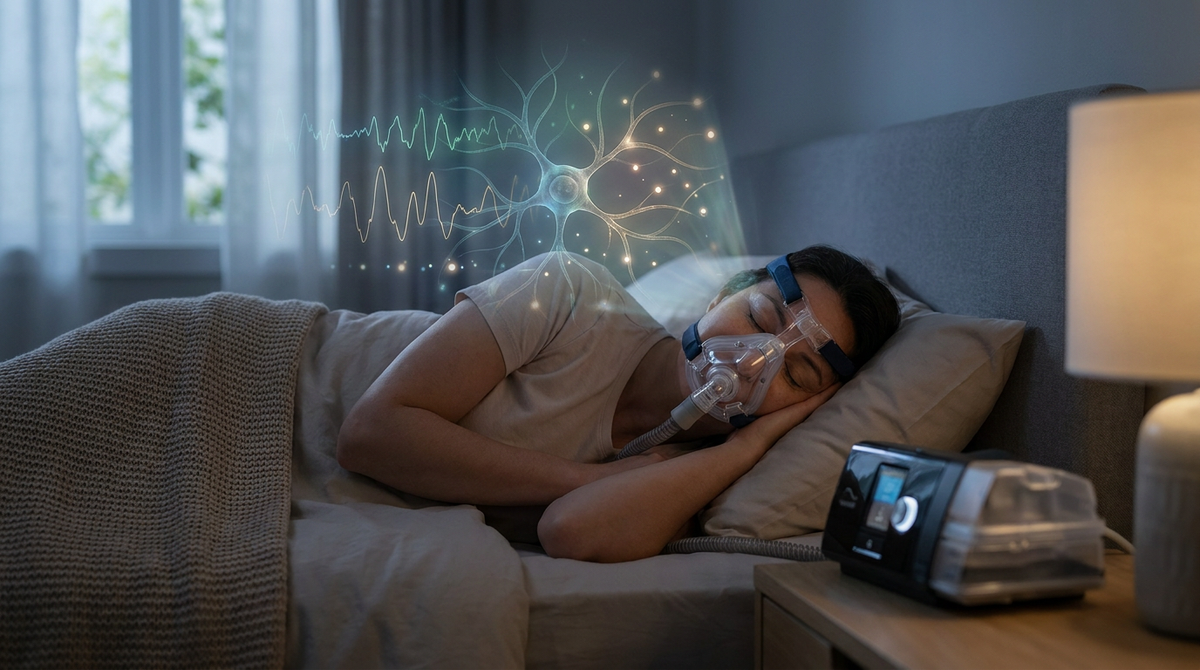
COMISA (comorbid insomnia and obstructive sleep apnea) is a common condition that worsens quality of life. It requires an integrated diagnostic and therapeutic approach, prioritizing stepped insomnia treatment and apnea management, with close collaboration among specialists.
Understanding COMISA: Insomnia and Sleep Apnea Hand in Hand
The coexistence of insomnia and obstructive sleep apnea (OSA) is known as COMISA. It is a more common condition than generally thought, where both disorders mutually reinforce each other, significantly affecting quality of life and overall health [1, 2]. Although insomnia and sleep apnea are well-known sleep problems, their combination often goes unnoticed, making effective treatment difficult.
Why is COMISA so important?
Individuals with COMISA experience greater impairment in sleep, daytime functioning, and physical and mental health, compared to those with only insomnia or only apnea [3]. This bidirectional interaction between insomnia and apnea exacerbates the clinical and physiological burden of both conditions [1]. Furthermore, COMISA is associated with increased cardiovascular and metabolic risks, a greater mental health burden, and reduced adherence to continuous positive airway pressure (PAP) therapy [1].
Causes and Pathogenesis of COMISA
COMISA is not merely the sum of insomnia and apnea, but involves unique pathophysiological interactions. It has been proposed that insomnia may be an extension of OSA, where repeated apneic events lead to conditioned hyperarousal [1]. Conversely, OSA may be an extension of chronic insomnia through mechanisms such as autonomic dysregulation and respiratory instability [1].
There is a bidirectional relationship between both disorders: approximately 30-50% of patients with OSA report clinically significant insomnia symptoms, and 30-40% of patients with chronic insomnia meet diagnostic criteria for OSA [4]. This feedback loop between both problems worsens symptoms and makes treatment more complex. Understanding these interactions is key to effective diagnosis and treatment of COMISA.
Why is insomnia associated with COMISA?
Insomnia in COMISA can arise for several reasons. Sleep fragmentation caused by apneas and hypopneas (breathing pauses) activates the brain's arousal system, making it difficult to initiate or maintain sleep. This constant activation can lead to a state of conditioned hyperarousal that persists even when apnea is treated. Additionally, anxiety and stress related to apnea itself or to the use of devices like CPAP can generate or exacerbate insomnia. Sleep quality is compromised by the need to wake up repeatedly to breathe, which prevents reaching deep, restorative sleep stages.
Diagnosing COMISA: An Integrated Approach
Diagnosing COMISA can be complex due to overlapping symptoms. A comprehensive evaluation, including the patient's medical history and specific examinations, is crucial. This information is general and does not replace personalized medical assessment.
ENT Examination
A complete ENT examination is essential to identify potential anatomical causes of apnea. This includes evaluating the upper airways to detect obstructions or collapse points that may contribute to sleep apnea. Identifying these anatomical features is essential for planning the most appropriate treatment, which can range from lifestyle changes to surgical interventions or device use.
Treatment Challenges: Insomnia and CPAP
One of the biggest challenges in COMISA is managing insomnia, especially when it is related to CPAP use. Some patients may experience insomnia due to device discomfort, noise, or a feeling of claustrophobia. Side effects such as nasal dryness or irritation may also arise. It is important to address these concerns to improve treatment adherence.
Why can CPAP cause insomnia?
The relationship between CPAP and insomnia is bidirectional. On one hand, CPAP is the primary treatment for sleep apnea, but on the other, its use can cause or exacerbate insomnia in some patients. Reasons include:
- Physical discomfort: The mask may be uncomfortable or leave marks.
- Device noise: Although modern equipment is quiet, the sound may be perceptible to some people.
- Claustrophobia: The sensation of having the face covered can generate anxiety.
- Dryness or irritation: Air pressure can dry nasal mucous membranes or irritate the skin.
It is crucial to identify and address the specific causes of CPAP-related insomnia to ensure adherence to apnea treatment.
Therapeutic Steps for Insomnia in COMISA
The treatment of insomnia in patients with COMISA should be stepped and personalized. The goal is to improve sleep quality without compromising apnea treatment. It is important to remember that this information is general and does not replace personalized medical assessment.
Who treats insomnia in COMISA?
Managing insomnia in COMISA is a multidisciplinary task, requiring the collaboration of several specialists. The neurologist or sleep medicine specialist is responsible for diagnosing and treating insomnia, while the otolaryngologist focuses on sleep apnea. Neurophysiology plays a crucial role in accurate diagnosis through sleep studies. Coordination among neurology, neurophysiology, and otolaryngology is essential for a comprehensive and effective approach to COMISA.
First Step: Sleep Hygiene and Habits
The first step is always to establish good sleep hygiene. This includes:
- Maintaining a regular sleep schedule, even on weekends.
- Creating a dark, quiet, and cool bedroom environment.
- Avoiding caffeine and alcohol before bedtime, especially in the late afternoon/evening.
- Limiting electronic screen use (mobile phones, tablets, computers) at least one hour before sleep.
- Engaging in regular physical activity during the day, avoiding intense exercise close to bedtime.
- Avoiding prolonged naps during the day.
Second Step: Cognitive-Behavioral Therapy for Insomnia (CBT-I)
When hygiene measures are not enough, Cognitive-Behavioral Therapy for Insomnia (CBT-I) is the long-term treatment of choice for chronic insomnia. It has been shown to be effective even in the presence of treated or untreated sleep apnea, and may improve apnea management [3]. CBT-I helps identify and change thoughts and behaviors that contribute to insomnia, including stimulus control techniques, sleep restriction, and cognitive restructuring. CBT-I is a fundamental pillar in the treatment of COMISA, as it addresses the roots of insomnia in a lasting way.
Third Step: Medications for Insomnia
If the previous steps are not sufficient, medications may be considered under strict medical supervision. It is crucial that these are prescribed and monitored by a specialist, as their use requires careful consideration in patients with sleep apnea due to potential interactions or side effects that could worsen apnea. Medications are selected based on the type of insomnia (onset, maintenance, mixed) and patient characteristics:
- Melatonin receptor agonists: Exogenous melatonin can be helpful for sleep onset insomnia, especially in cases of circadian rhythm misalignment. It acts by regulating the sleep-wake cycle and its effect is milder than other hypnotics, with less risk of dependence. It is often used in low doses. Its main indication is sleep onset insomnia and circadian rhythm disorders. Its disadvantage is that its effect can be subtle in some patients and may not always be sufficient for severe chronic insomnia.
- Orexin receptor antagonists (DAROs): Drugs like suvorexant or lemborexant work by blocking arousal signals in the brain, promoting sleep. They represent a newer option with a favorable safety profile in patients with sleep apnea, as they typically do not depress respiratory drive. Their use must be evaluated by a specialist. They are indicated for sleep onset and maintenance insomnia. A drawback can be their cost and that they are not available in all markets, in addition to their effect varying among individuals.
- Non-benzodiazepine hypnotics (Z-drugs): Medications such as zolpidem, zopiclone, or zaleplon can be used short-term for severe insomnia, primarily for sleep onset insomnia. They act on GABA receptors, inducing sleep. Their use is generally limited to a few weeks due to the risk of dependence, tolerance, and side effects such as residual drowsiness or cognitive impairment. They are avoided in patients with severe untreated apnea due to their potential respiratory depressant effect. Their indication is acute or short-term insomnia. Disadvantages include the risk of dependence, tolerance, and side effects such as amnesia or daytime sleepiness, and their prolonged use is not recommended.
- Sedating antidepressants: Drugs like trazodone or mirtazapine are sometimes used at low doses for their sedative effect in patients with insomnia and comorbidities such as depression or anxiety. They act in various ways to promote sleep. They require careful evaluation by the physician, as they can have side effects and are not specifically approved for insomnia in all cases. Their indication is insomnia associated with depression or anxiety. Drawbacks include possible side effects such as dizziness, dry mouth, or weight gain, and that their hypnotic effect may vary, in addition to not being a direct solution for primary insomnia.
- Benzodiazepines: Medications such as lorazepam or alprazolam can be effective for short-term insomnia, but their use in patients with sleep apnea is generally discouraged. They carry a high risk of dependence, tolerance, and can depress the respiratory center, worsening apnea. Their prescription is very restricted and under strict supervision. Their indication is severe and transient insomnia, always under supervision. Disadvantages are the high risk of dependence, tolerance, withdrawal, and respiratory depression, which makes them unsuitable for patients with apnea and their use should be extremely limited.
Treating COMISA requires an integrated approach that addresses both insomnia and sleep apnea simultaneously [1]. This may include combining cognitive-behavioral therapy for insomnia with apnea management strategies, such as CPAP or mandibular advancement devices [1]. It is essential that any treatment plan be individualized and supervised by a specialist to optimize outcomes and improve the patient's overall health.
Frequently asked questions
What is COMISA?
COMISA is the coexistence of insomnia and obstructive sleep apnea. Both disorders influence each other, worsening the patient's symptoms and quality of life, and require coordinated treatment.
Who treats insomnia in COMISA?
Insomnia treatment in COMISA is multidisciplinary. The neurologist or sleep medicine specialist diagnoses and treats insomnia, with neurophysiology supporting diagnosis. Collaboration with the otolaryngologist is key to addressing apnea.
Why can CPAP cause insomnia?
CPAP can cause insomnia due to device discomfort, noise, claustrophobia, or side effects like nasal dryness. It's important to communicate these issues to your specialist to find solutions and ensure treatment adherence.
Is Cognitive-Behavioral Therapy for Insomnia (CBT-I) effective if I have apnea?
Yes, CBT-I is the long-term treatment of choice for chronic insomnia and has been shown to be effective even in patients with sleep apnea, whether treated or not. It can improve both insomnia and apnea management [3].
References
- Comorbid Insomnia and Sleep Apnea: From Research to Clinical Practice. (2025)
- Comorbid Insomnia and Sleep Apnea: COMISA. (2024)
- Co-morbid insomnia and sleep apnea (COMISA): recent research and future directions. (2023)
- Bi-directional relationships between co-morbid insomnia and sleep apnea (COMISA). (2021)
Informational content reviewed by Dr. Méndez-Benegassi. It does not replace a medical consultation.