
Sleep apnea and menopause: symptoms and when to suspect it
Reviewed by Dr. Iván Méndez-Benegassi Silva
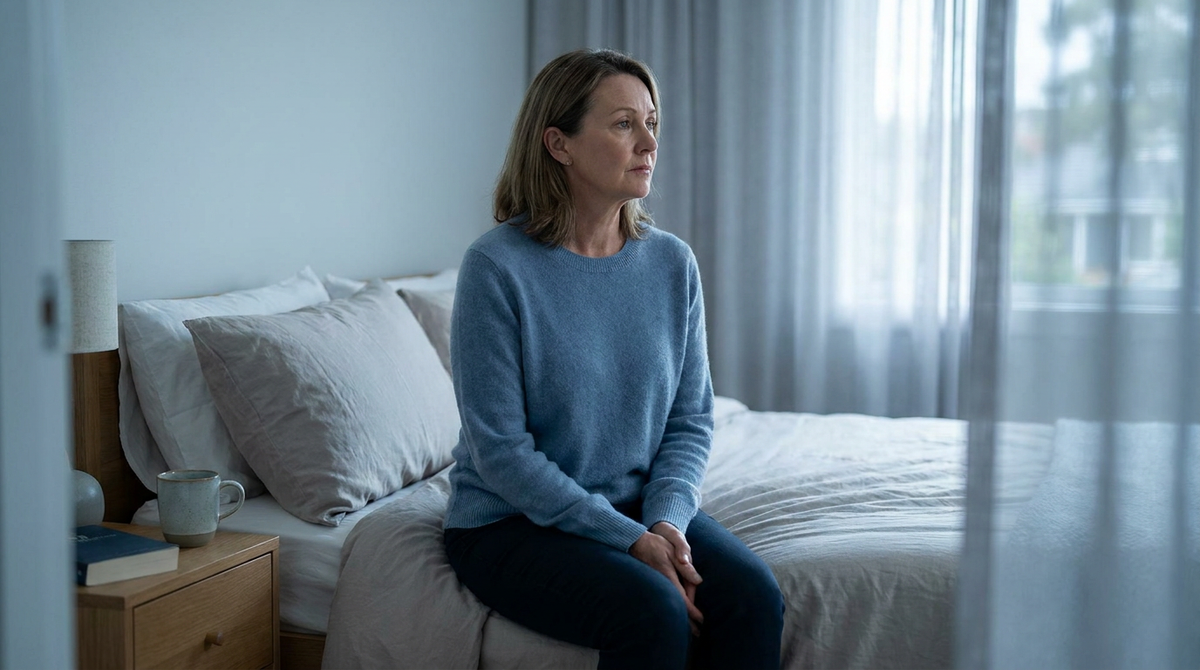
In menopause, sleep apnea often goes unnoticed: tiredness, insomnia or morning headaches are put down to stress, low mood or age.
Obstructive sleep apnea (OSA) is a condition that affects breathing during sleep, but its presentation can vary significantly between men and women. Historically, it has been considered more common in men, leading to underdiagnosis in the female population. However, recent evidence suggests that the actual prevalence in women is much higher than previously thought, with a ratio of two to three men for every affected woman.
Why is Sleep Apnea Different in Women?
The classic symptoms of sleep apnea, such as loud snoring and witnessed breathing pauses, are more common in men. In women, the presentation is often more subtle and atypical. This means that doctors may not suspect sleep apnea, and symptoms can be mistakenly attributed to other causes.
Women with sleep apnea often experience:
- Difficulty falling or staying asleep (insomnia).
- Persistent daytime tiredness or fatigue.
- Morning headaches.
- Anxiety and low mood.
These symptoms can be easily confused with stress, depression, anxiety, or simply changes associated with aging. This variability in symptoms contributes to the underdiagnosis of sleep apnea in women.
Menopause and the Risk of Sleep Apnea
Menopause marks a turning point in the risk of developing sleep apnea in women. Before menopause, hormones such as progesterone and estrogen offer natural protection to the upper airway, helping to keep it stable. However, with the decline of these hormones during perimenopause and postmenopause, this protective effect diminishes.
This hormonal change increases vulnerability to upper airway obstruction during sleep. As a result, the risk of obstructive sleep apnea in postmenopausal women approaches that of men. It is essential to consider sleep apnea as a possibility in women experiencing new or worsening sleep problems during this life stage.
Common Symptoms During Menopause
Sleep disorders are very common during menopause. Approximately 70% of women experience vasomotor symptoms, such as hot flashes, which can disrupt sleep. Additionally, hormonal changes can lead to mood disturbances, anxiety, and insomnia. It is estimated that insomnia affects nearly 60% of postmenopausal women.
When these symptoms occur along with daytime fatigue, morning headaches, or non-restorative sleep, it is important to consider the possibility of sleep apnea. The overlap of symptoms between menopause, depression, anxiety, and sleep apnea makes diagnosis challenging, but no less important.
When to Seek Medical Evaluation?
If you are a woman and experience any of the following symptoms, especially if you are in perimenopause or postmenopause, it is advisable to seek medical evaluation:
- Persistent daytime sleepiness or fatigue.
- Non-restorative sleep, even after sleeping enough hours.
- Frequent insomnia or difficulty maintaining sleep.
- Morning headaches.
- Mood changes, anxiety, or depression without apparent cause.
- Your partner observes you snoring or pausing your breathing while asleep.
Do not rule out sleep apnea just because you are a woman or do not present with classic snoring. A validated questionnaire can be a useful first step to determine if a sleep study is warranted. Early detection and appropriate treatment can significantly improve quality of life and reduce health risks associated with untreated sleep apnea.
Importance of Diagnosis and Treatment
Untreated sleep apnea can have serious long-term health consequences, including an increased risk of cardiovascular diseases. Although the prevalence of sleep disorders in women increases significantly with age and during menopause, underdiagnosis remains a problem. It is estimated that up to 75% of women with obstructive sleep apnea are undiagnosed.
It is crucial for both patients and healthcare professionals to be aware of the differences in the presentation of sleep apnea in women. A proper medical evaluation, which may include a sleep study, is the only path to an accurate diagnosis. Once diagnosed, various treatment options are available that can improve sleep quality and overall health.
This guide is for general informational purposes only and does not replace individualized medical assessment, diagnosis, or treatment. If you have concerns about your sleep or health, always consult a healthcare professional.
Frequently asked questions
Does menopause truly increase the risk of sleep apnea?
Yes, menopause increases the risk. The decrease in hormones like estrogen and progesterone weakens the natural protection of the upper airway, making women more susceptible to obstructive sleep apnea.
Why is sleep apnea so difficult to diagnose in women?
It's difficult because symptoms in women are often atypical, manifesting more as insomnia, fatigue, headaches, or anxiety, rather than the classic loud snoring. These symptoms are easily confused with other conditions.
What sleep symptoms should I watch for during menopause?
You should watch for persistent daytime fatigue, frequent insomnia, morning headaches, non-restorative sleep, and mood changes. If your partner notices you snoring or stopping breathing, that's also an important sign.
References
- Sleep During Menopause. (2023)
- Menopause and Sleep Disorders. (2022)
- Menopause and Sleep Apnea. (2019)
Informational content reviewed by Dr. Méndez-Benegassi. It does not replace a medical consultation.