
Tonsil & Adenoid Surgery for Childhood Sleep Apnea: Less Pain, More Safety
Medically reviewed by Dr. Iván Méndez-Benegassi Silva · Otorhinolaryngology (ENT) Specialist with over 25 years of experience in sleep surgery and advanced rhinology · European Board Certificate (ORL-HNS) · HM Hospitales, Madrid · License No. 282855946
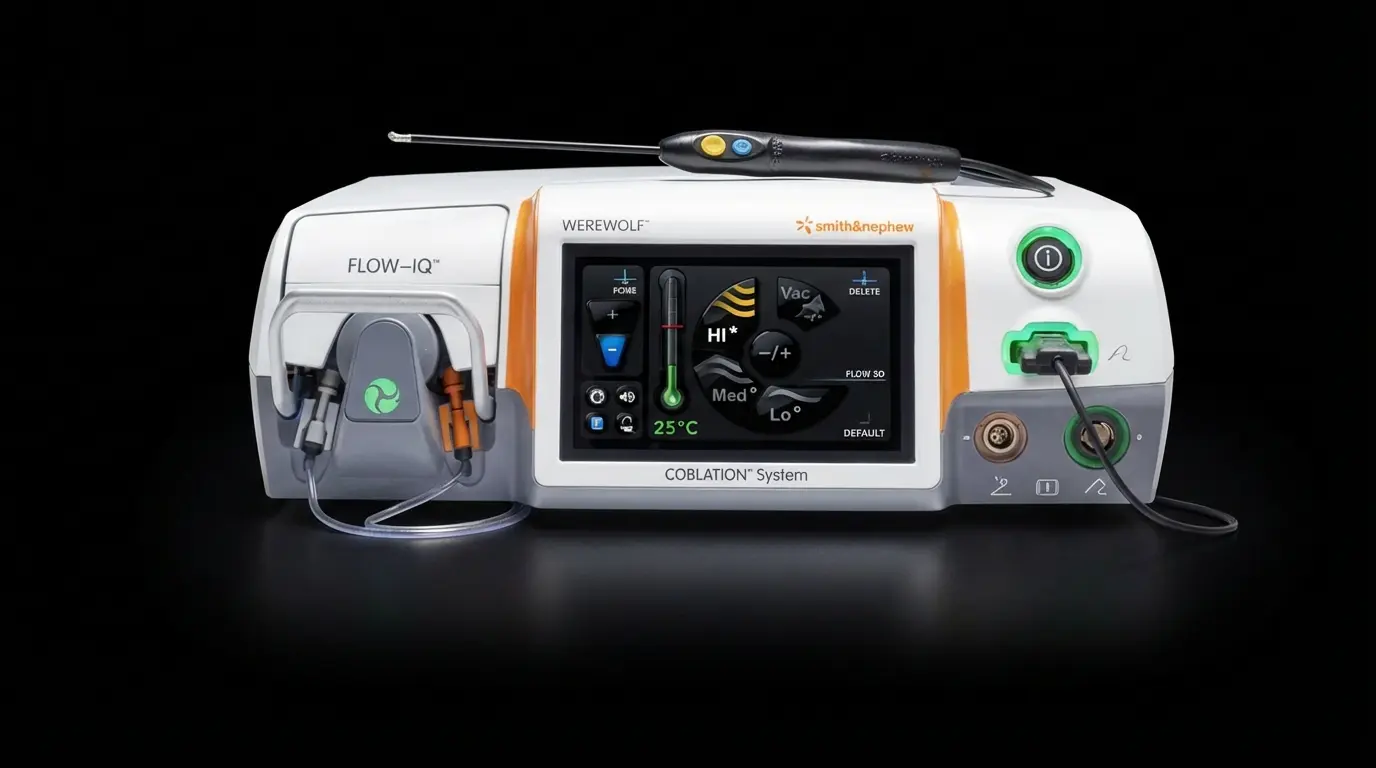
When a child suffers from constant snoring, sleep apnea (breathing pauses) or chronic nasal obstruction, their quality of life, growth and rest are affected. Today, medical technology allows us to treat these problems in a much gentler way than traditional surgery. We use the combination of Intracapsular Tonsillectomy with Coblation and Adenoid Reduction by Radiofrequency or Coblation, offering a significantly more comfortable postoperative experience for children.
Guide: childhood sleep apnea — symptoms and when to operateWhen a child breathes through the mouth
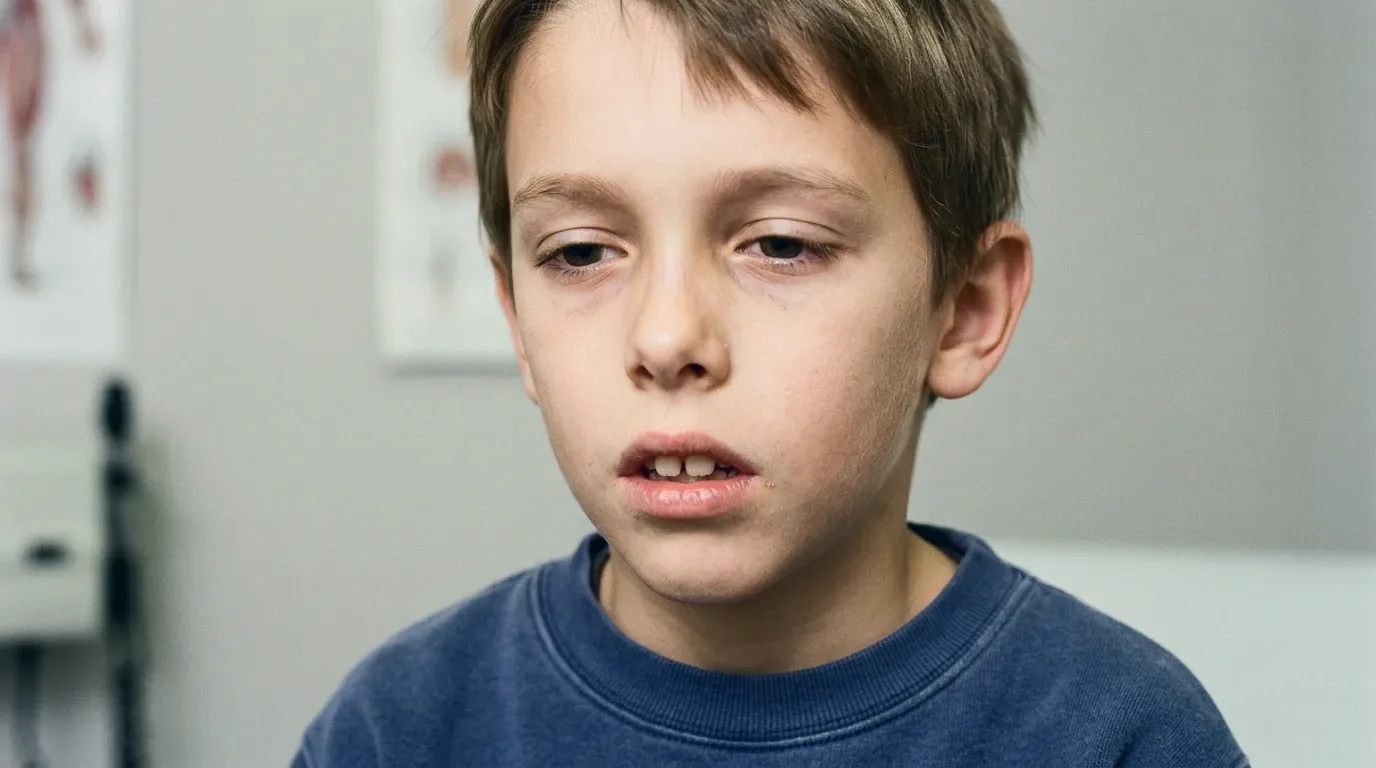
Breathing through the mouth for a long time, while the face is still growing, can make it grow longer, with the mouth always slightly open and the lower jaw set a little further back. This is what we call adenoid facies. It does not happen to every child, nor to the same degree. Treating the obstruction in time can partly improve growth, although orthodontic treatment is often needed as well.
What Do These Techniques Involve?
Unlike the old surgery that "cut and pulled" tissue, these technologies use controlled energy:
1. Intracapsular Tonsillectomy with Coblation
Instead of removing the entire tonsil (reaching down to the throat muscle), we perform a reduction. We remove the part of the tonsil that obstructs breathing, but leave a thin natural layer that protects the throat muscles and nerves.
Simple Physics
The Coblation terminal creates a cold plasma field that dissolves tissue at the molecular level at very low temperatures (between 40°C and 70°C). It's as if the tissue "evaporates" without burning or damaging the healthy areas around it.
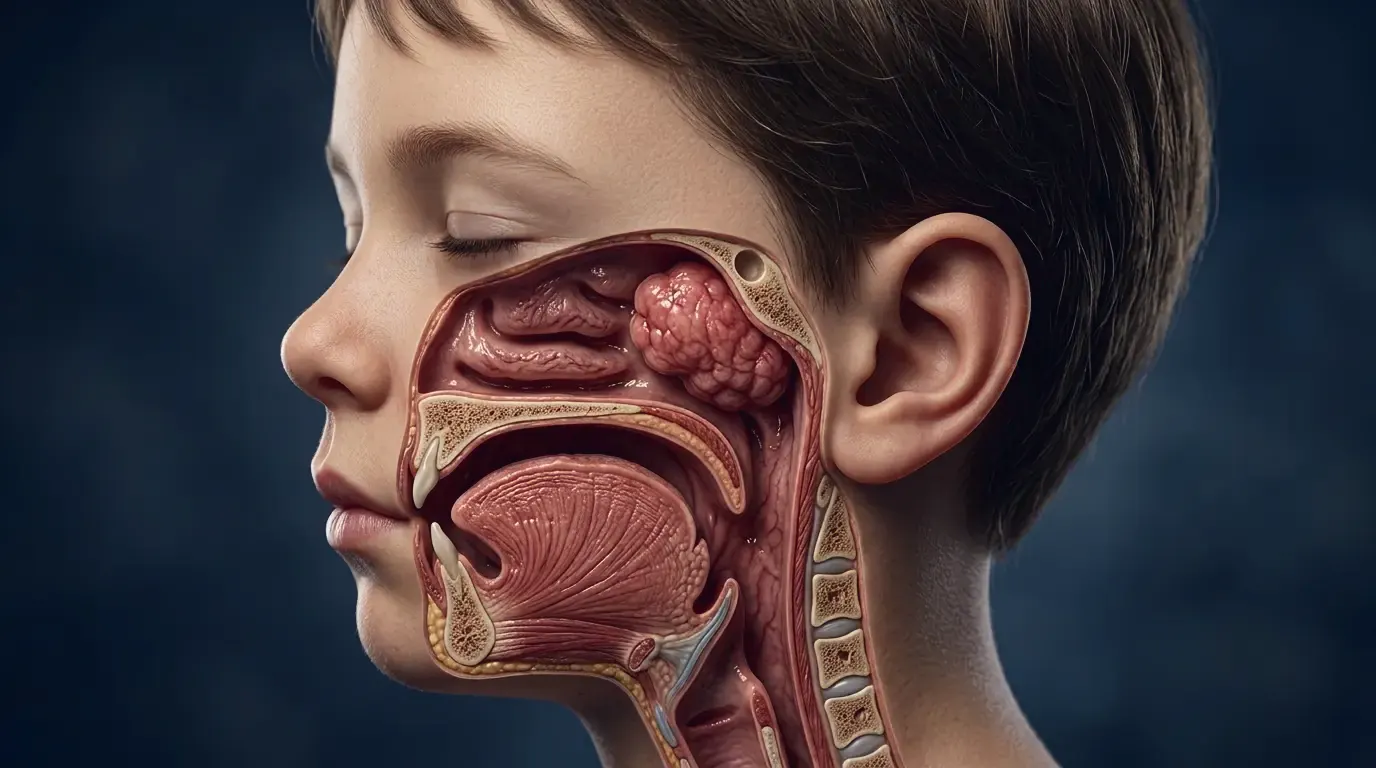
2. Adenoid reduction by radiofrequency or coblation
The adenoids ("vegetations") are located behind the nose. With radiofrequency, we apply precise thermal energy that causes the inflamed tissue to retract and be removed cleanly.
Simple Physics
High-frequency electricity generates a gentle heat that seals blood vessels while simultaneously removing tissue. This avoids traditional scraping and minimizes nasal trauma.
Benefits for Your Child
The main difference is noticed in the days following the intervention. By not leaving the throat muscle exposed and not using extreme heat (like common electric scalpels), the benefits are clear:
Much less pain
This is the number one advantage. By protecting deep tissues, the child feels discomfort similar to mild pharyngitis, instead of the intense pain of traditional surgery.
Minimal bleeding risk
Both techniques instantly seal blood vessels as they work, making the procedure extremely safe.
Faster recovery
Most children return to normal diet and light activities much sooner (often in 3-4 days, compared to 10-14 days with the old technique).
Quick return to school
By feeling better quickly, the impact on family routine is minimal.
Note for parents
When tonsils and adenoids are the cause of the obstruction, their treatment is widely considered the first-line approach in pediatric ENT practice. The goal is not only for the child to stop snoring, but to return to deep sleep and breathe naturally through the nose, without the fear of a traumatic postoperative period. The right indication is always decided individually after an ENT evaluation.
We explain it calmly, for parents, in snoring and childhood sleep apnea: the role of tonsils and adenoids.
Video: adenoids in children, what they are and how they are operated on
Frequently asked questions
At what age are the tonsils and adenoids (vegetations) operated on?
There is no single fixed age: the decision depends on the symptoms (snoring, breathing pauses, mouth breathing) and the size of the tissue, not on the calendar. Surgery can be performed in young children when the obstruction clearly affects their sleep and growth. An ENT evaluation determines whether and when it is appropriate.
Do the tonsils or adenoids grow back?
The adenoids can partially regrow because some tissue normally remains, especially in very young children, although it rarely causes problems again. With intracapsular tonsil reduction a thin protective layer is left, so a small regrowth is possible, but the obstruction returning enough to need a second surgery is uncommon. Your ENT will follow up on the breathing.
What is the risk of general anesthesia in a child?
In healthy children and in the hands of pediatric anesthesia teams, general anesthesia for this surgery is considered very safe and is performed routinely. Before the operation a pre-anesthetic assessment reviews the child's health to minimize risks. Any specific concern should be discussed with the anesthesiologist beforehand.
What can the child eat after the operation?
In general, cool or lukewarm soft foods are recommended in the first days (yogurt, purées, ice cream, gelatin), avoiding very hot, hard, acidic or spicy foods. Drinking plenty of fluids is important to stay hydrated and ease the throat. With these gentler techniques, most children return to a normal diet sooner; follow the specific instructions given at discharge.
When is it enough to watch and wait without operating?
When the symptoms are mild, intermittent (for example, only with a cold) and do not affect the child's sleep, growth or daytime behavior, an ENT may suggest watchful waiting with periodic reviews. Surgery is reserved for cases where the obstruction is persistent or significant. The decision is always individual.
Can my baby or infant have apnea?
Yes, infants and babies can have obstructive sleep apnea, although the causes and management differ from those in older children. Warning signs include noisy breathing, pauses while sleeping, restless sleep or feeding difficulties. If you notice these signs, an ENT evaluation is advisable to assess them properly.
How long does the tonsil and adenoid operation take, and is it day surgery?
The operation itself usually takes around an hour. In many healthy children it is done as day surgery, going home the same day after a few hours of monitoring; younger children (especially under 3), severe apnea or other health conditions may be kept in for one night of observation. The ENT and the anesthesia team decide based on the individual child.
What is recovery like day by day?
With these gentler techniques the first 2-3 days bring discomfort more like a mild sore throat than the intense pain of the old surgery. Cool soft foods and plenty of fluids help. Most children are back to a normal diet and light activity, and able to return to school, in about 3-4 days. A little bad breath or an earache that is actually referred from the throat can appear and settles on its own.
When will my child stop snoring and breathe better?
Snoring and noisy breathing usually improve very soon, within the first days to weeks as the swelling goes down. When enlarged tonsils and adenoids were the cause of the obstruction, nasal breathing and quiet, restful sleep return in the great majority of children. Daytime behaviour and attention often improve over the following weeks.
Take the next step in your evaluation
Dr. Méndez-Benegassi uses your data to answer your message. Email is not end-to-end encrypted: it can be read on the servers it passes through. Do not send medical reports or health data that way.
Data controller: Dr. Iván Méndez-Benegassi Silva, ENT physician.
Purpose: To read and answer your message. Tell us only what is essential; the rest is covered in the consultation.
Legal basis: The healthcare you are requesting (Art. 9.2.h GDPR).
Recipients: Your data is not shared with third parties; only the technical providers needed are involved, as data processors.
Your rights: Access, rectify or erase your data, object, restrict its processing and request its portability by writing to contacto@ronquidoyapneas.com. You may also lodge a complaint with the Spanish Data Protection Agency.
Full details in the Privacy policy.

Where I see patients in Madrid
I see patients in person at my HM Hospitales clinics (HM Madrid, HM Valdebebas and HM Tres Cantos), or by personalized video consultation if you prefer.
Private consultation, no waiting lists
Call the appointments line: you get your appointment during the same call, at any of my three clinics.
Call · 910 786 601- HM Madrid
Wednesdays 3:00 PM - 4:00 PM - HM Valdebebas
Tuesdays 3:00 PM - 4:00 PM - HM Tres Cantos
Tuesdays 1:30 PM - 2:30 PM
€150, paid at the reception desk of the clinic. It is not processed through insurance, except for reimbursement insurance.
Coming with your health insurance? Book with HM: 919 370 000.
HM Madrid
HM Madrid University Hospital
Pl. del Conde del Valle de Súchil, 16
28015 MadridWith insurance (book with HM): Wednesdays 4:00 PM - 7:00 PM
How to get thereHM Valdebebas
HM Valdebebas Polyclinic
Av. de Juan Antonio Samaranch, 51
28055 MadridWith insurance (book with HM): Tuesdays 4:00 PM - 7:00 PM
How to get thereHM Tres Cantos
HM Tres Cantos University Hospital
C. Santiago Ramón y Cajal, 23
28760 Tres CantosWith insurance (book with HM): Tuesdays and Wednesdays 9:30 AM - 1:30 PM
How to get there